In the field of industrial handling equipment, 4WD forklifts are the preferred choice for complex terrain operations due to their superior traction and stability. This article details the critical parameters to consider when selecting a 4WD forklift, helping you make an informed decision.
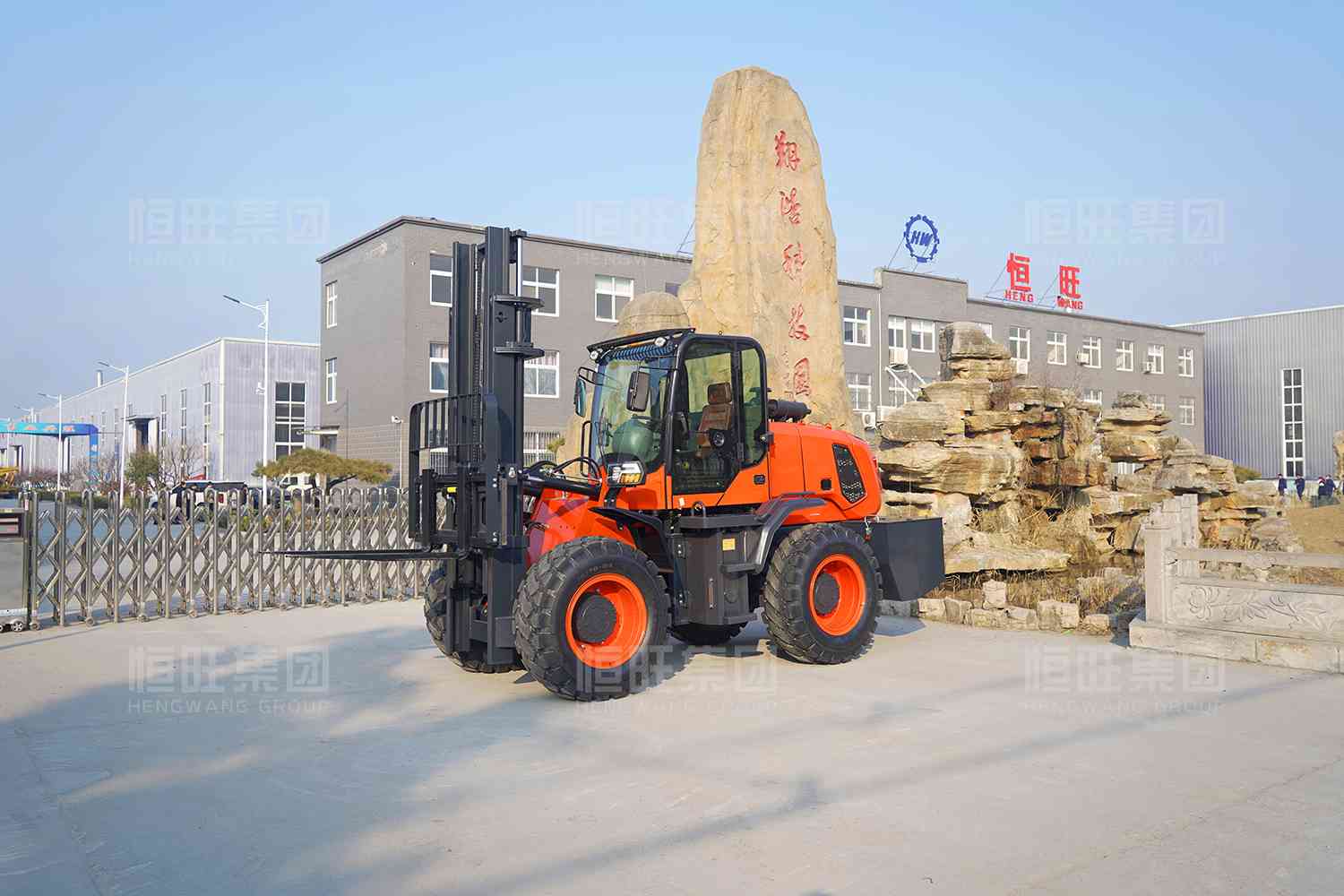
1. Power System Parameters
Engine Power: The engine power of a 4WD forklift directly affects its pulling force and climbing ability. Diesel engines typically provide higher torque, making them suitable for heavy-duty operations, while electric forklifts are more eco-friendly and quieter, ideal for indoor use.
Drive System: Full-time 4WD and part-time 4WD each have their advantages. Full-time 4WD is better for continuous rough terrain, while part-time 4WD can be switched as needed, offering better fuel efficiency.
2. Performance Parameters
Rated Load Capacity: This is the primary parameter when selecting a forklift. Choose based on daily operational needs, with a recommended 20% buffer for unexpected heavy loads.
Lifting Height: Different forklift models vary significantly in maximum lift height, ranging from 3 to 10 meters—ensure it matches your warehouse rack height.
Turning Radius: Compact 4WD forklifts offer greater maneuverability in tight spaces, which is crucial for warehouse environments.
3. Structural and Dimensional Parameters
Mast Type: Standard, full free lift, or triple-stage masts—choose based on working height and space constraints.
Overall Dimensions: Length, width, and height must allow smooth passage through warehouse doors, elevators, and other restricted areas.
Tire Type: Pneumatic tires provide better shock absorption for outdoor use, while solid tires are maintenance-free and ideal for smooth surfaces.
4. Safety and Ergonomics
Braking System: A reliable braking system—including service, parking, and emergency brakes—is essential for 4WD forklifts.
Operator Cabin Features: Air conditioning, suspension seats, and good visibility reduce operator fatigue and improve productivity.
Safety Features: Load monitoring systems, anti-tip protection, and audible/visual alarms are standard in modern forklifts.
5. Economic Considerations
Fuel Consumption: Hourly fuel consumption for diesel forklifts impacts operating costs—high-efficiency engines can save 15-30% on fuel.
Maintenance Intervals: Understanding service schedules and replacement part costs helps assess long-term expenses.
Resale Value: Well-known forklift brands typically retain higher resale value, improving return on investment.
6. Purchasing Recommendations
Test Drive: Always arrange an on-site test to evaluate handling, stability, and comfort.
Supplier Evaluation: Choose a forklift brand with a strong service network for reliable technical support and parts availability.
Cost-Benefit Analysis: Consider total ownership costs—purchase price, operating expenses, and lifespan—rather than just the initial price.
Conclusion
Selecting the right 4WD forklift requires careful evaluation of the above parameters, balancing them against your specific operational needs. A high-quality forklift not only boosts efficiency but also reduces long-term costs, making it a critical investment in logistics equipment. Consult a professional forklift advisor for a customized purchasing plan to maximize your return on investment.